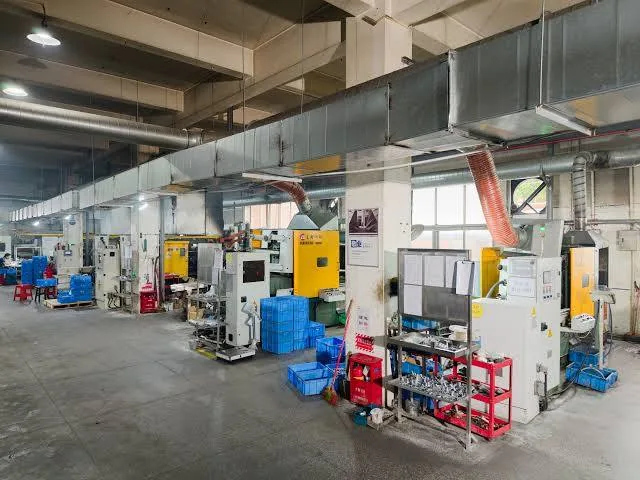
Die Casting
Overview
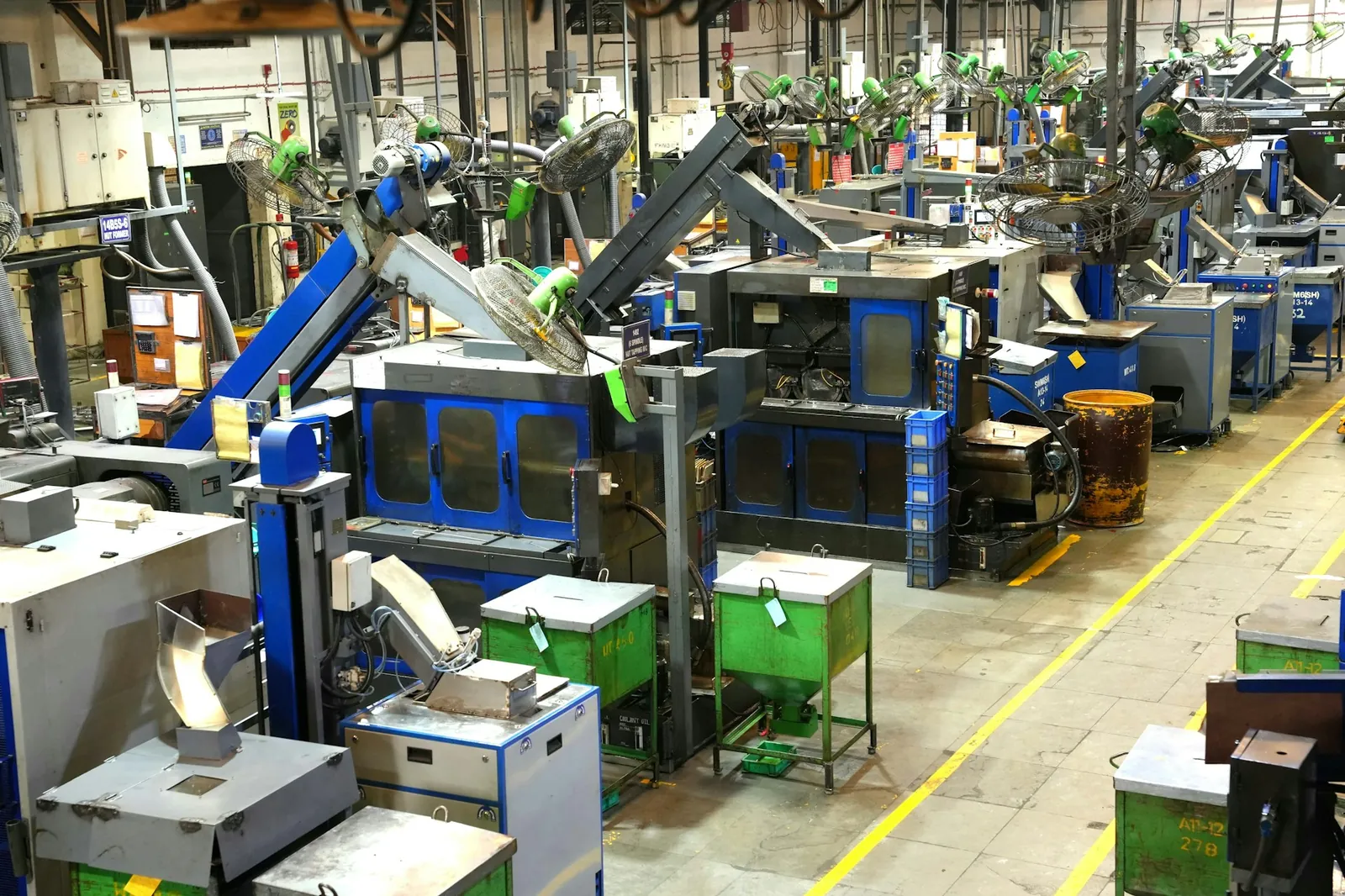
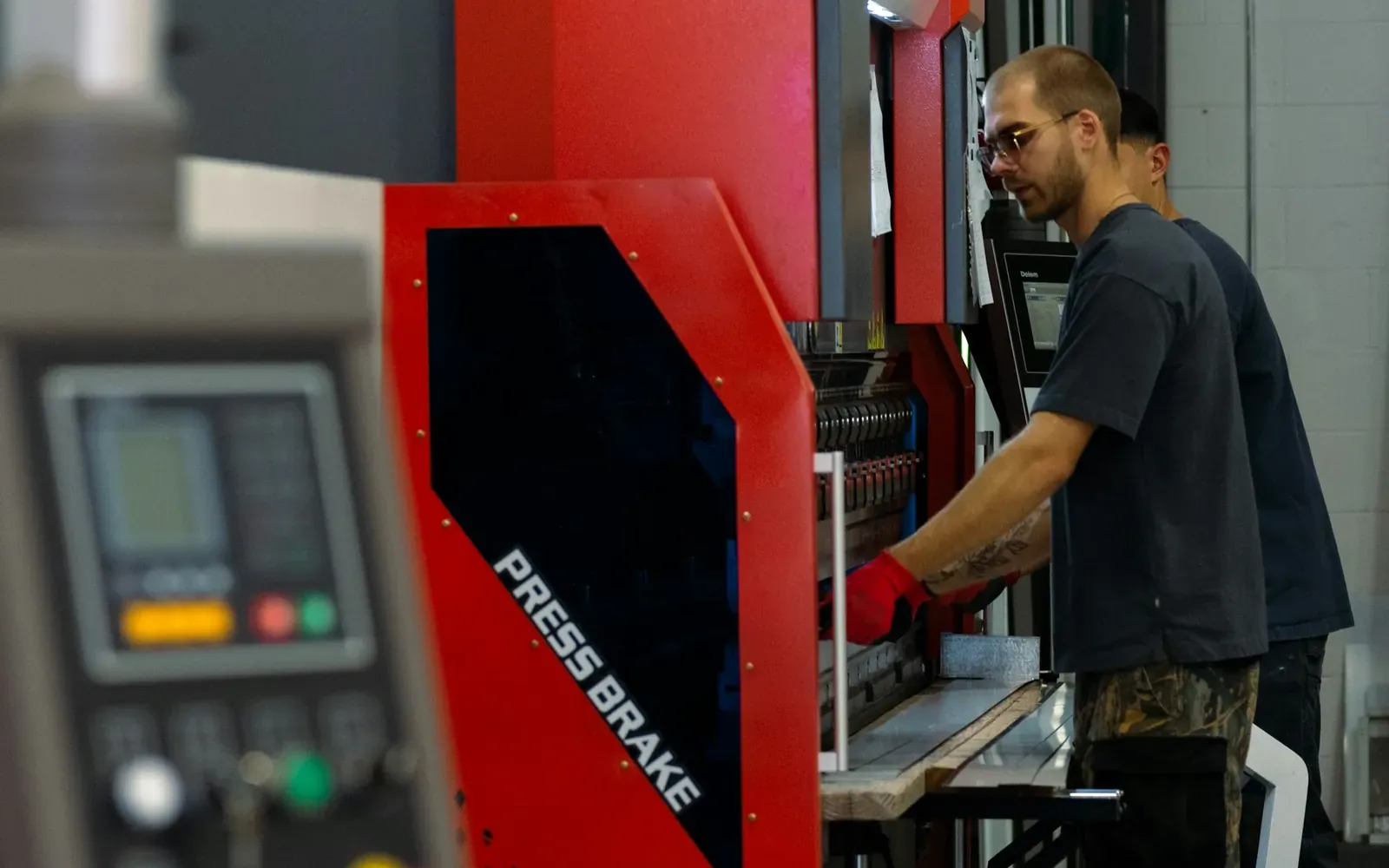
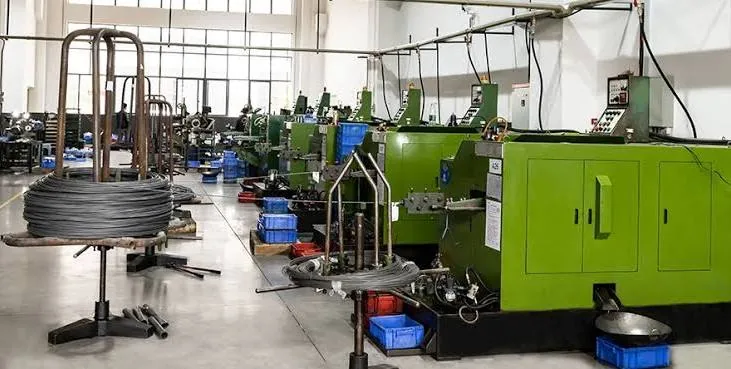
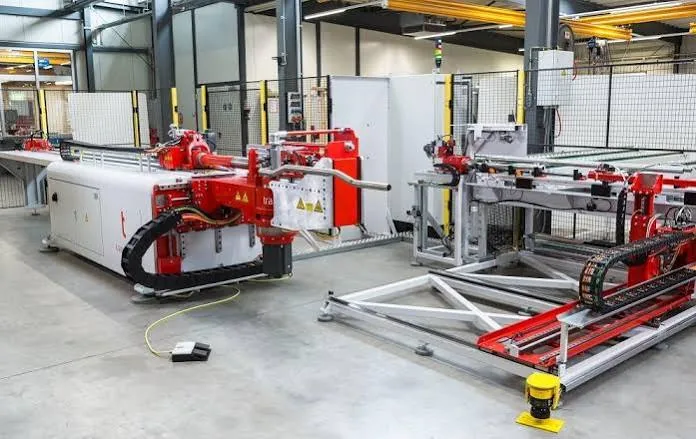
Our die casting workshop uses precision die casting technology — injecting molten aluminum and zinc alloys into molds at high pressure and speed — to produce high-quality metal components with tight dimensions, complex structures and refined surfaces.
Die casting achieves thin walls, complex geometry and high dimensional accuracy in a single forming step, greatly reducing downstream machining. Combined with CNC finishing, deburring and surface treatments such as powder coating and plating, we serve the automotive, telecommunications, lighting, electromechanical and appliance industries with assembly-ready castings.
Process Highlights
Die Casting
High-Pressure Precision
High-pressure injection produces sharp definition, dense structure and high strength.
Thin-Wall Complexity
Thin walls and complex geometry in one piece — fewer components to assemble.
Dimensional Accuracy
Stable tooling and process control keep castings dimensionally consistent.
Efficient Output
Short forming cycles suit high-volume, stable supply programs.
CNC Finishing
Critical dimensions and mating faces machined to assembly requirements.
Surface Options
Powder coating, plating and polishing meet appearance and protection needs.
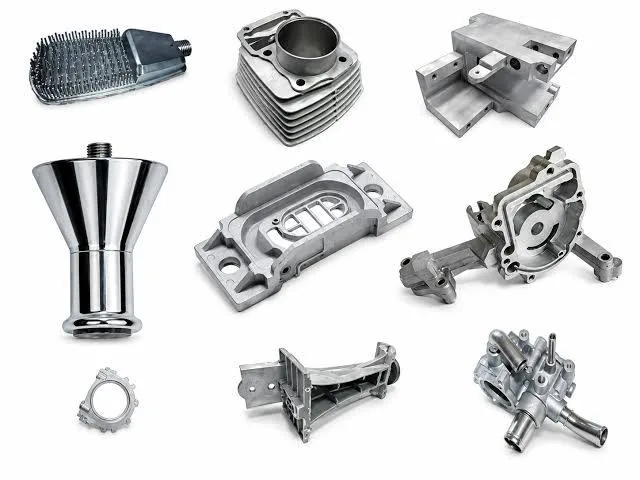
Quality Assurance
Multi-Stage Quality Control
A rigid quality management system runs through the entire production process — from incoming materials to outgoing shipments — ensuring every batch meets your standards.
- IQC
Incoming Inspection
Raw materials and purchased parts are inspected upon arrival to control quality at the source.
- IPQC
In-Process Inspection
First-article confirmation and patrol inspections during production catch deviations early.
- OQC
Outgoing Inspection
Finished goods are sampled or fully inspected before shipment, with reports provided on request.
Workshop & Product Gallery
Die Casting
FAQ
Frequently Asked Questions
Common questions about working with us. Reach out anytime for a proposal specific to your project.
Request a QuoteCan you manufacture from drawings or samples?
Yes. We support development and quoting from 2D/3D drawings or physical samples. Our engineering team reviews manufacturability and suggests optimizations.
How long does sampling take? Do you support small trial runs?
It depends on the process and complexity. We support flexible arrangements from small trial runs to large-volume production, helping you move forward steadily.
How are lead times arranged?
Lead times depend on process, quantity and surface treatment. A clear production and shipping schedule is provided with every quotation.
How do you ensure product quality?
We enforce multi-stage quality control — incoming, in-process and outgoing inspection — and provide inspection reports upon request.
Other Core Processes